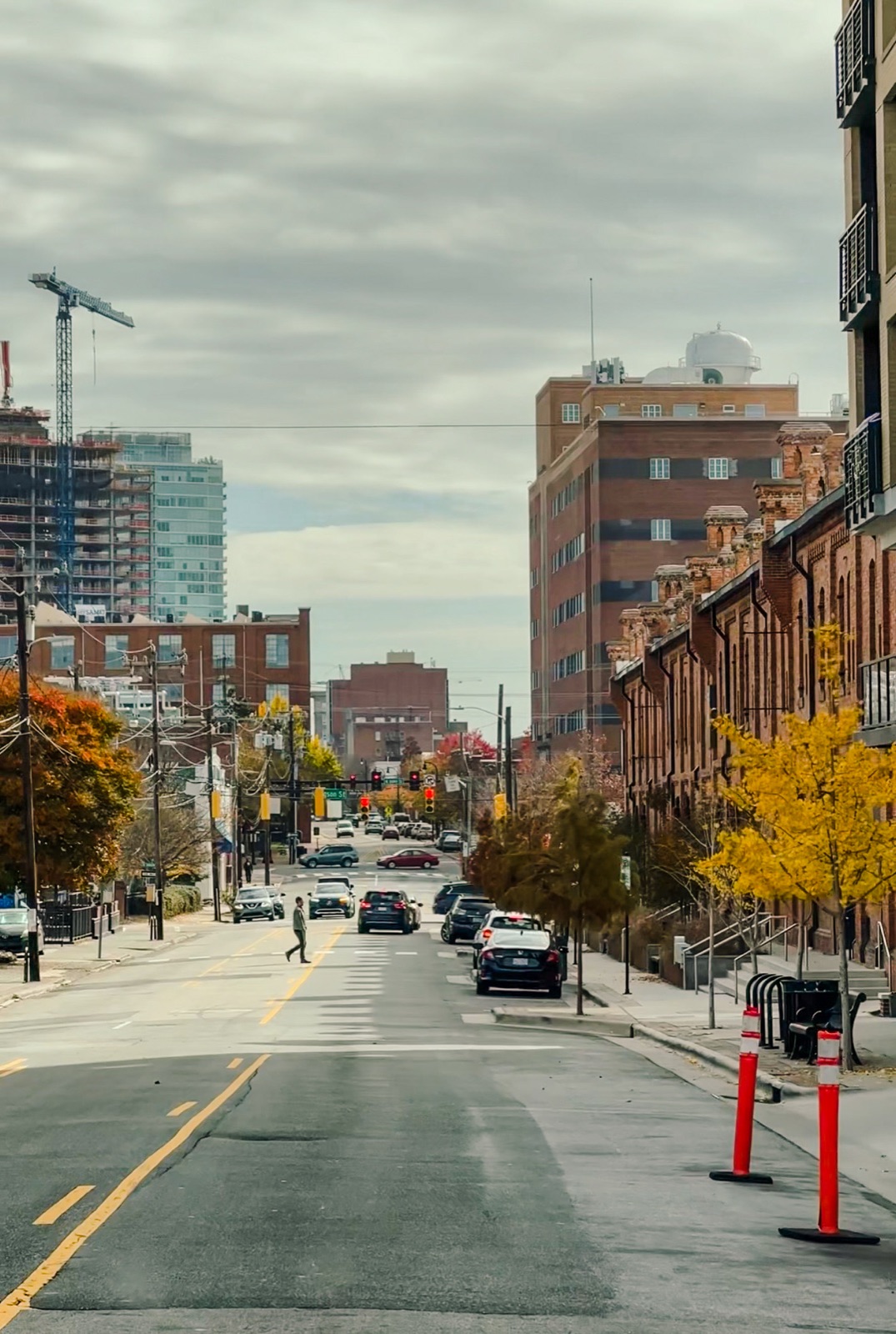
Durham is the kind of city that takes you by surprise. You arrive expecting a mid sized college town and you find something richer and more layered than that: a city with a genuine sense of itself, a food scene that punches well above its weight, outdoor spaces that are genuinely beautiful, and a cultural energy that has been building for years and shows no signs of slowing down.
Part of what makes Durham interesting is how much it has done with its history. The tobacco warehouses that once defined the city's economy have been transformed into some of the most vibrant mixed use spaces in the South. Duke University brings world class research, architecture, and arts to the center of the city. And the people who have settled here over the past two decades have built a restaurant and nightlife scene that draws visitors from across the Triangle and beyond.
Whether you are visiting for a weekend, planning a longer stay, or just trying to figure out where to start, here is a thorough guide to the best things to do in Durham.
American Tobacco Campus
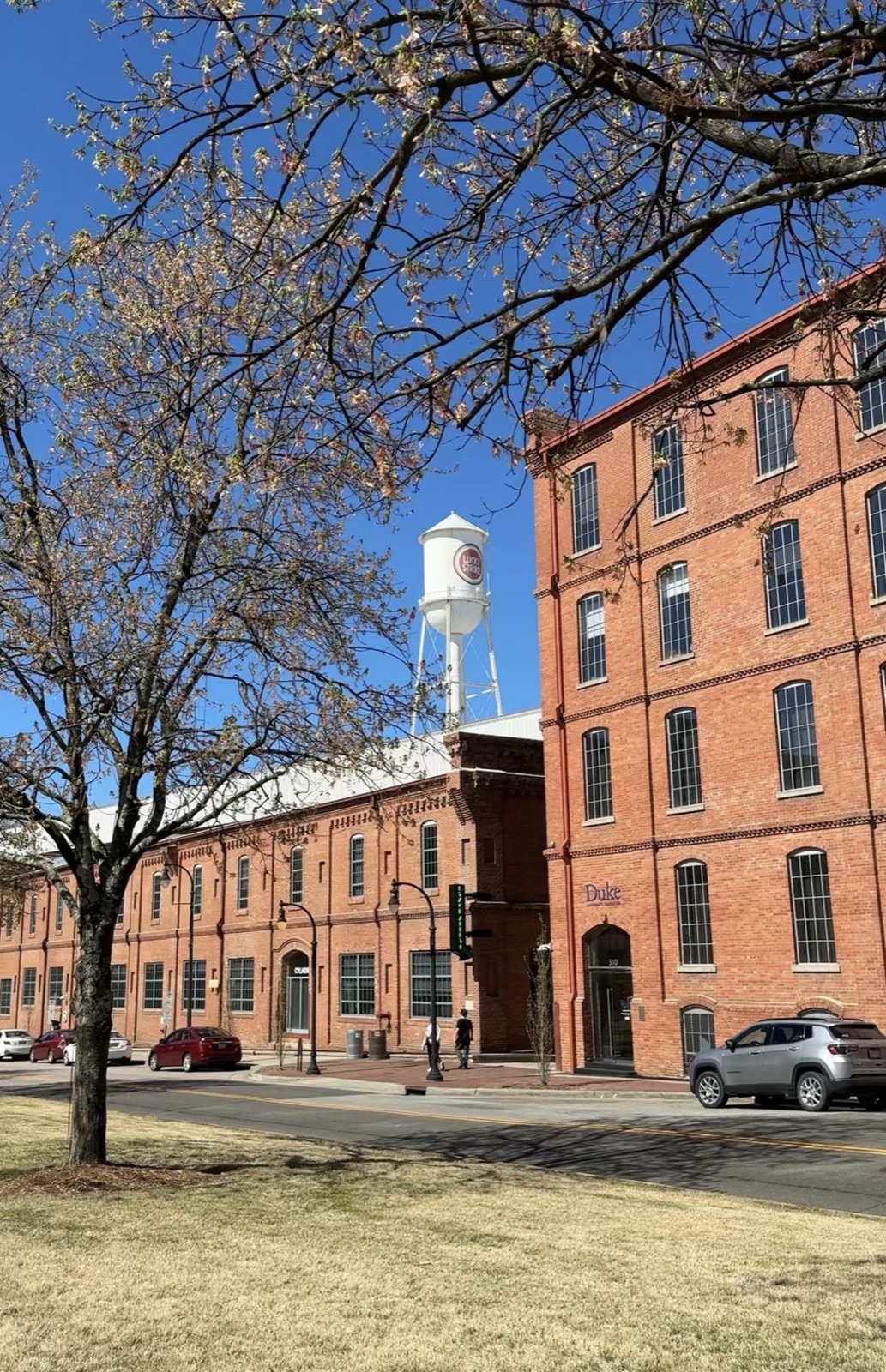
If there is one place that defines what Durham has become, it is the American Tobacco Campus. The sprawling complex of restored 19th and 20th century tobacco warehouses stretches across several blocks just south of downtown, and it is one of the finest examples of adaptive reuse development anywhere in the American South.
The Lucky Strike water tower, still painted with its original logo, stands at the center of the campus and has become one of the most recognizable symbols of the city. Around it, the old warehouses and factory buildings now house restaurants, bars, offices, event spaces, and a mix of local and national tenants that bring the complex to life throughout the week.
The outdoor spaces here are particularly well done. The central courtyard has a reflecting pool and regularly hosts live music and community events in the warmer months. It is a genuinely pleasant place to spend an afternoon, and the density of good food and drink options means you can easily build an entire evening around the campus. Several of Durham's best bars and restaurants have locations here, making it an easy first stop for visitors trying to get oriented in the city.
Sarah P. Duke Gardens
Fifty five acres of free botanical gardens on the edge of the Duke University campus, open every single day of the year from 8am to dusk. If you visit Durham and skip the Duke Gardens, you have missed one of the genuinely great public green spaces in North Carolina.
The gardens are divided into five distinct sections, each with its own character. The Historic Gardens near the main entrance are formal and structured, with terraced beds and stone pathways that are beautiful year round. The Japanese Garden section is quieter and more contemplative, with stone lanterns, a koi pond, and plantings that shift dramatically through the seasons. The H.L. Blomquist Garden of Native Plants is an excellent introduction to the native flora of the southeastern United States and is especially good in late summer and fall.
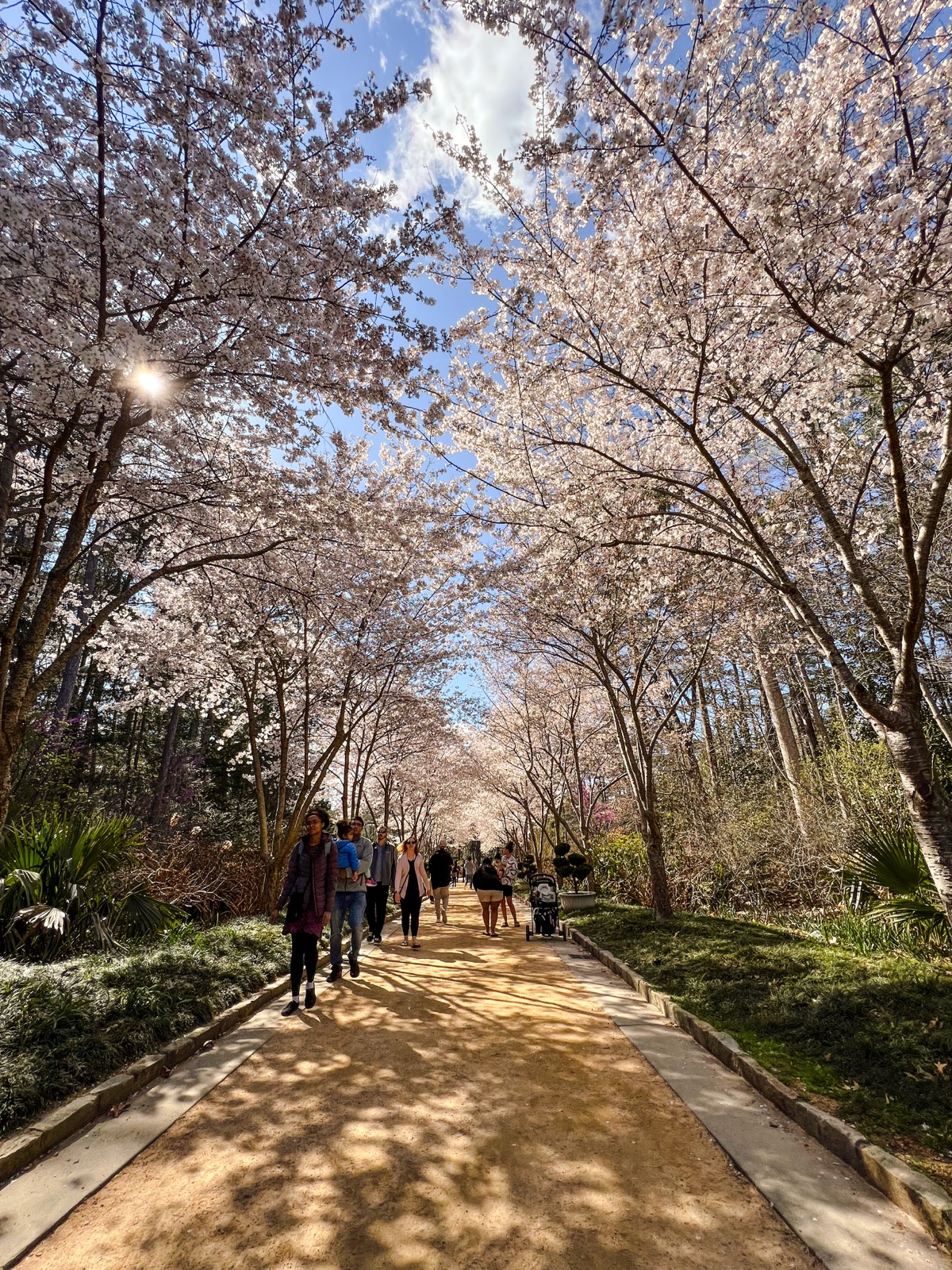
Spring is the peak season for most visitors, and for good reason. The cherry blossoms typically arrive in late February through mid March, and when they are at peak bloom the gardens become one of the most photographed spots in the entire Triangle. The pink and white canopy along the main paths is genuinely stunning, and the fact that admission is completely free makes it an easy choice for any visitor in the region.
Even outside of cherry blossom season, the gardens have something to offer at every time of year. Summer brings full flowering beds and lush greenery. Fall brings warm color in the tree canopy. Winter is quieter but the bones of the formal gardens are still beautiful. Plan to spend at least ninety minutes to two hours if you want to walk the full loop.
Durham Bulls Baseball
A Durham Bulls game at the Ballpark of Durham is one of the best pure sports experiences in the Triangle, and it holds its own against minor league ballparks anywhere in the country. The stadium, which opened in 1995 and has been expanded and improved since, is compact enough to feel intimate but well equipped with good sightlines from nearly every seat.
The Bulls are the Triple A affiliate of the Tampa Bay Rays, which means the talent level is high. Most of the players on the roster are either recent MLB calldowns or prospects on their way up, and on any given night you might be watching someone who will be on a major league roster within weeks. The connection to the 1988 film Bull Durham, which was set in the city and filmed largely at the old Durham Athletic Park, gives the team an extra layer of cultural cachet that you will notice in the branding and atmosphere throughout the stadium.
Fireworks nights in the summer are a particular highlight. The schedule includes multiple fireworks shows throughout the season, and they draw large crowds of families and locals who use the game as the backdrop for a summer evening out. Tickets are affordable, parking is available nearby, and the food and drink options inside the park have improved significantly in recent years. This is a genuinely fun way to spend a warm Durham evening.

Duke University Campus
You do not need to be a student, an alumnus, or a basketball fan to appreciate Duke University's campus. It is one of the most architecturally distinctive campuses in the United States, and it is fully open to the public. Walking the West Campus is one of the best free things you can do in Durham on any day of the year.
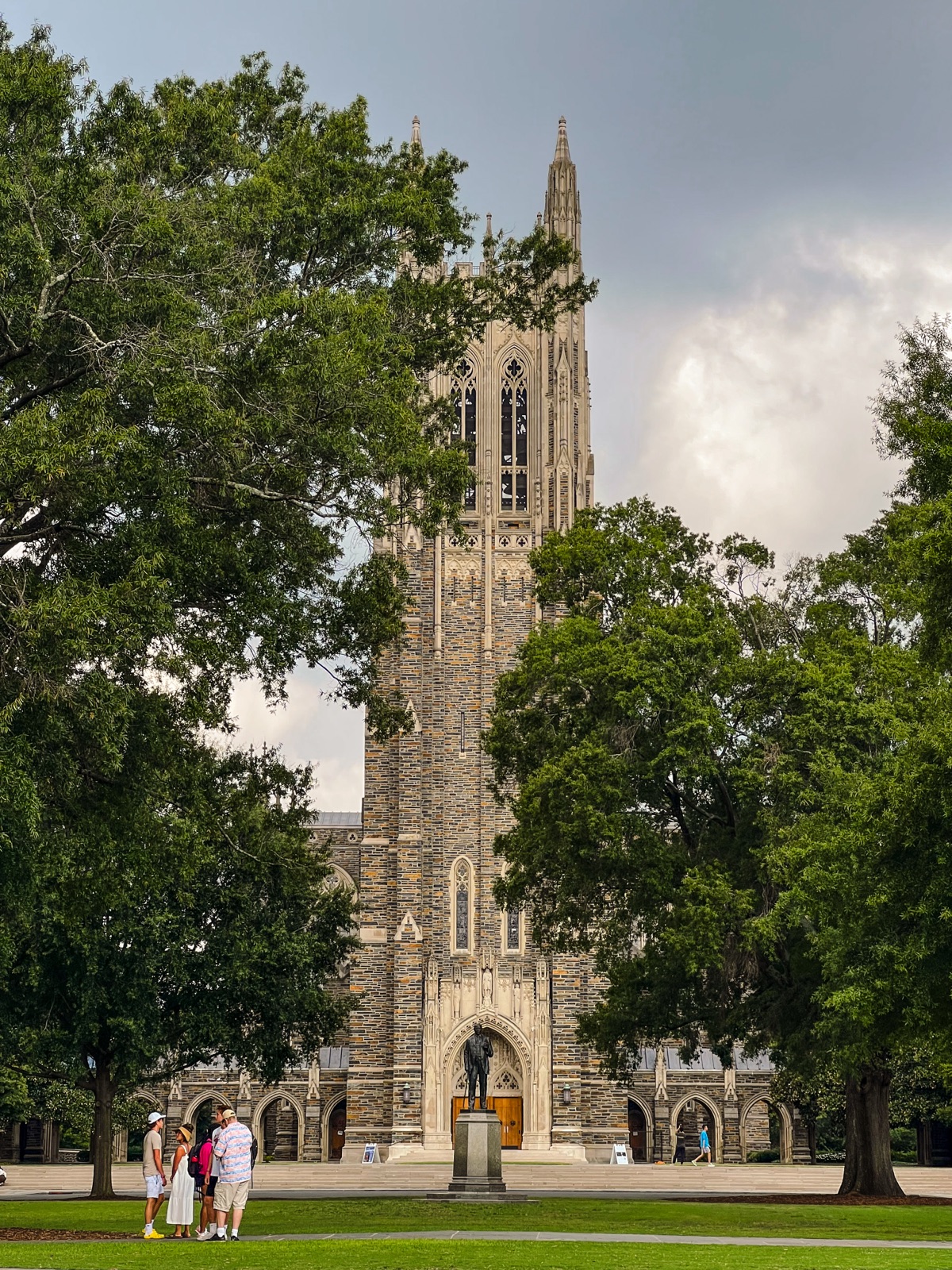
Duke Chapel anchors the West Campus quad and is genuinely awe inspiring. Built between 1930 and 1935, the Gothic cathedral stands 210 feet tall and seats roughly 1,800 people. The exterior stonework is some of the finest Gothic Revival architecture in the country. The interior, with its stained glass windows and 50 bell carillon, is open to visitors daily and free to enter. Regular concerts and events take place throughout the year, including a popular carillon concert series in warm weather.
The Nasher Museum of Art, located on the main campus, is one of the most underrated cultural institutions in the Triangle. The building, designed by modernist architect Rafael Vinoly, is striking from the outside and well designed inside for displaying both the permanent collection and rotating exhibitions. Admission is free, which makes it one of the easiest stops to justify on any Durham itinerary. The collection spans ancient to contemporary and has a particular strength in modern and postwar work.
Beyond the chapel and the museum, the West Campus quad itself is worth exploring just for the architecture and the atmosphere. Perkins Library, the Wilson Recreation Center, and the various departmental buildings that line the quad all feature the distinctive Duke stone and Gothic detailing that gives the campus its cohesive character.
Durham Performing Arts Center (DPAC)
The Durham Performing Arts Center has been one of the most important developments in the cultural life of the Triangle since it opened in 2008. The venue seats just under 2,800 people, which puts it in a sweet spot: large enough to attract major Broadway touring productions and nationally touring musical acts, but small enough that there really is not a bad seat in the house.
DPAC consistently ranks among the top performing arts venues in the country by ticket sales, which is remarkable for a city of Durham's size. The programming is genuinely varied, covering Broadway shows, concerts, comedy, dance, and special events throughout the season. If you are planning a trip to Durham and want to add a show, the DPAC website is worth checking well in advance, as popular productions sell out quickly.
The venue is located in the heart of downtown Durham, within easy walking distance of restaurants and bars on both sides of the Brightleaf Square and American Tobacco Campus areas. Building a pre show dinner into an evening at DPAC is easy and makes for one of the better date nights in the city.
The Museum of Life and Science
The Museum of Life and Science on Murray Avenue is one of the best family oriented attractions in the Durham area and one of those places that adults without children often wish they had visited sooner. The museum covers 84 acres and combines indoor science exhibits with outdoor natural spaces in a way that keeps both adults and children engaged for a full half day visit or more.
The butterfly house is consistently one of the most popular features. The climate controlled conservatory is filled with hundreds of free flying butterflies from dozens of species, and visitors can walk through and observe them up close. The live animal exhibits include bears, red wolves, lemurs, and a variety of native reptiles and birds. The dinosaur trail, a winding outdoor path with large scale replicas of dinosaurs in naturalistic settings, is a perennial favorite with younger visitors.
There is also a working farm section, a weather science gallery, an aerospace exhibit, and seasonal programming that changes throughout the year. The admission fee is reasonable and the grounds are large enough that you will not feel crowded even on busy weekends. This is an easy recommendation for anyone visiting Durham with kids, but it holds up well for adults too.
Eno River State Park
For a morning hike or an afternoon outdoors, Eno River State Park is one of the most accessible and rewarding natural spaces within easy reach of downtown Durham. The park follows the Eno River as it winds through a mix of forested river bluffs, rocky shoals, and floodplain forest just north of the city, and the trail system offers options for hikers of all ability levels.
The Few's Ford access area off Cole Mill Road is the most popular entry point and offers a good selection of interconnected trails ranging from easy riverside walks to more challenging loops through the upland forest. The river itself is shallow and rocky in most sections, and the sound of moving water adds to what is already a very pleasant walking environment. Spring and fall are the best seasons for foliage and wildflowers, though the park is worth visiting year round.
Paddlers also use the Eno River for flatwater kayaking in the calmer sections, and there are several access points along the river corridor. The park is part of a longer greenway network that the city has been expanding over the years. If you are staying in Durham for more than a day and want a morning away from the urban core, the Eno River delivers that easily.
The Durham Farmers Market
Saturday mornings at Durham Central Park bring together one of the best farmers markets in the Triangle. The Durham Farmers Market runs from spring through fall and draws a mix of produce farmers, specialty food vendors, artisan makers, and local food artisans who set up along the park's central path and surrounding lawns.
The market has a genuinely local character, which is not always guaranteed at larger farmers markets. Most of the vendors are small North Carolina farms and producers, and the variety of what is available shifts through the season in a way that reflects what is actually growing nearby. Strawberries and spring greens give way to tomatoes and sweet corn in summer, then to winter squash and greens in the fall. The prepared food vendors and coffee options make it easy to turn the market into a full Saturday morning outing rather than just a shopping trip.
Durham Central Park itself is worth spending time in before or after the market. The park is a well used public space that has been central to a lot of the neighborhood revitalization in the downtown and Brightleaf Square areas.
Mateo, Gocciolina, Zweli's Ekhaya, Saltbox Seafood Joint, and 13 more of the best places to eat in the Bull City.
Read the Guide →Joe Van Gogh, Cocoa Cinnamon, and the independent cafes worth building your morning around across the Bull City.
Read the Guide →Frequently Asked Questions
What is Durham NC known for?
Durham is known as the Bull City and is famous for Duke University, the American Tobacco Campus, a nationally recognized food scene, the Durham Bulls minor league baseball team, and a thriving arts and music culture. It is also a key part of Research Triangle Park, one of the largest research and technology campuses in the country.
What is the best thing to do in Durham NC?
That depends on your interests. For outdoor lovers, a visit to Sarah P. Duke Gardens or a hike at Eno River State Park is hard to beat. For history and architecture, Duke University campus and Duke Chapel are stunning. For food, the dining scene around American Tobacco Campus and downtown Durham is excellent. A Durham Bulls game in the summer is one of the most fun and affordable evenings out in the Triangle.
Is Durham NC worth visiting?
Absolutely. Durham consistently ranks as one of the most interesting mid sized cities in the South. It has a unique combination of world class university culture, a creative food and arts scene, great outdoor spaces, and a genuinely welcoming local character. Many people visit expecting a smaller experience and leave wanting to come back.
How many days do you need in Durham NC?
Two full days gives you enough time to hit the major highlights: Duke Gardens, the American Tobacco Campus, a meal or two downtown, and either a Bulls game or a visit to DPAC. Three days lets you add Duke campus, the Museum of Life and Science, and a hike at Eno River. A long weekend is plenty for a thorough visit.
What is Durham NC famous for?
Durham is famous for Duke University and Duke Chapel, the Durham Bulls and the movie Bull Durham, the American Tobacco Campus adaptive reuse development, Sarah P. Duke Gardens, and a food scene that has put the city on national lists multiple times. It is also a key part of Research Triangle Park, one of the most significant research and technology corridors in the country.